What to Do Immediately After a Relapse (Real Steps That Actually Help)
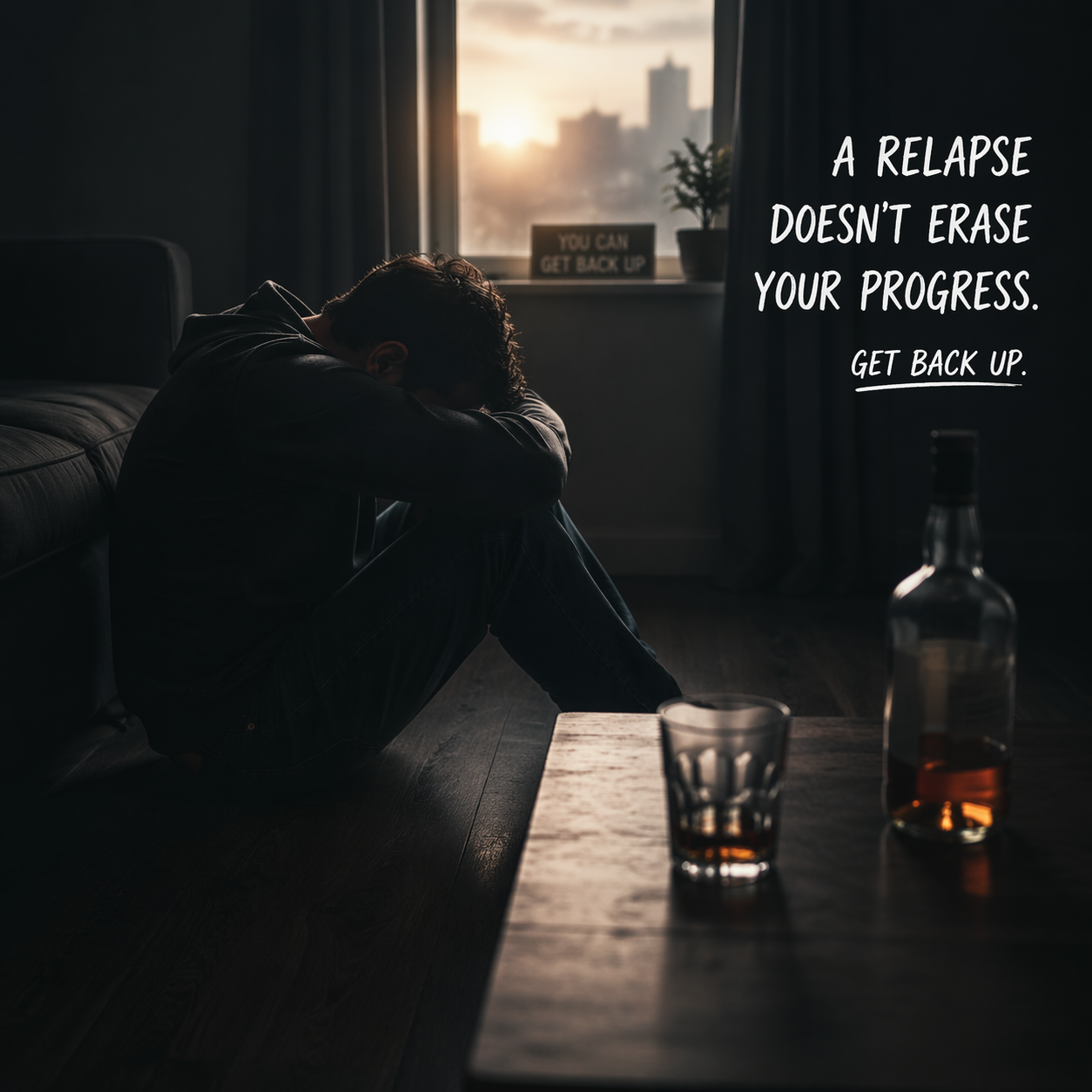
What to do after a relapse is one of the most important moments in addiction recovery. A relapse can feel like everything just fell apart, but it doesn’t erase your progress. What matters most is how you respond next, and the actions you take right now can stop the spiral before it grows.
That’s where people lose control—not because of the relapse itself, but because of what they do next.
If you let that moment define you, it turns into a pattern. One bad decision becomes a day. Then a week. Then something much harder to stop. But if you respond the right way, immediately, you can cut it off before it grows.
Relapse is serious—but it is not the end of recovery. What matters most is what you do in the next few hours.
Stop the Spiral Immediately
The most dangerous thought after a relapse is simple: “I already messed up, so it doesn’t matter anymore.”
That one thought is what turns a single relapse into a full spiral. It removes urgency. It removes accountability. It gives you permission to keep going.
You have to interrupt that immediately.
You don’t wait until tomorrow. You don’t wait until you feel better. You stop now. Even if it feels uncomfortable, even if your mind is racing, even if you’re overwhelmed—this is the moment where you take control back.
Put distance between you and whatever just happened. Change your environment. Walk outside. Get in your car. Remove access to anything that keeps the relapse going.
If you don’t break the momentum, the momentum will control you.
This is why understanding triggers is critical. Most relapses don’t come out of nowhere—they build over time. Stress, isolation, emotional overload, and old patterns stack up until something gives.
If you haven’t already, go deeper into that here: How to Deal With Triggers in Recovery
Break the Isolation Fast
Isolation is where relapse grows stronger.
After a relapse, your instinct might be to hide. Avoid people. Stay quiet. Pretend it didn’t happen. That’s exactly what addiction wants.
The longer you stay silent, the more power that relapse has over you.
You don’t need a perfect explanation. You don’t need to have everything figured out. You just need to tell someone the truth.
Call a sponsor. Text a friend. Reach out to someone in recovery. Even saying, “I messed up and I need help” is enough to start breaking the cycle.
If you don’t have immediate support, there are real communities that can help:
LifeRing Secular Recovery
Recovery Dharma
Different paths work for different people. The key is connection—not isolation.
Figure Out What Led to It
Relapse is rarely random. There is almost always a buildup before it happens.
Ask yourself honestly:
- What was I feeling before this?
- Was I stressed, angry, lonely, or overwhelmed?
- Did I stop doing something that was helping me?
- Was I around the wrong environment or people?
This isn’t about beating yourself up—it’s about understanding your pattern.
When you understand the pattern, you can break it next time.
If you want to build stronger protection moving forward, go here: Relapse Prevention Strategies That Actually Help
Drop the Shame and Take Action
Shame feels like responsibility—but it’s not.
Shame keeps you stuck. It keeps you focused on the past instead of taking action in the present.
You don’t need to punish yourself. You need to respond.
Do something simple immediately:
- Drink water
- Eat something
- Take a shower
- Go for a walk
- Clean your space
These are small actions—but they rebuild control fast.
If your mental state feels unstable after a relapse, you can also look into grounding techniques and coping strategies here: Center for Clinical Interventions
Recommit to Recovery Immediately
One of the biggest mistakes people make is waiting to restart.
They tell themselves they’ll get serious tomorrow. Or next week. Or after things calm down.
That delay is dangerous.
You recommit right now. Not perfectly—but intentionally.
Everything you learned still matters. A relapse doesn’t erase your progress. It shows you where your recovery needs to be stronger.
If you need to rebuild structure, discipline is where everything starts: Building Discipline in Recovery
You Are Not Starting Over
It might feel like you’re back at the beginning—but you’re not.
You still have the awareness you built. You still have the lessons you learned. You still have the strength that got you this far.
The people who make it in recovery are not the ones who never fall.
They’re the ones who refuse to stay down.
This moment can either pull you backward—or push you forward stronger than before.
The choice starts right now.